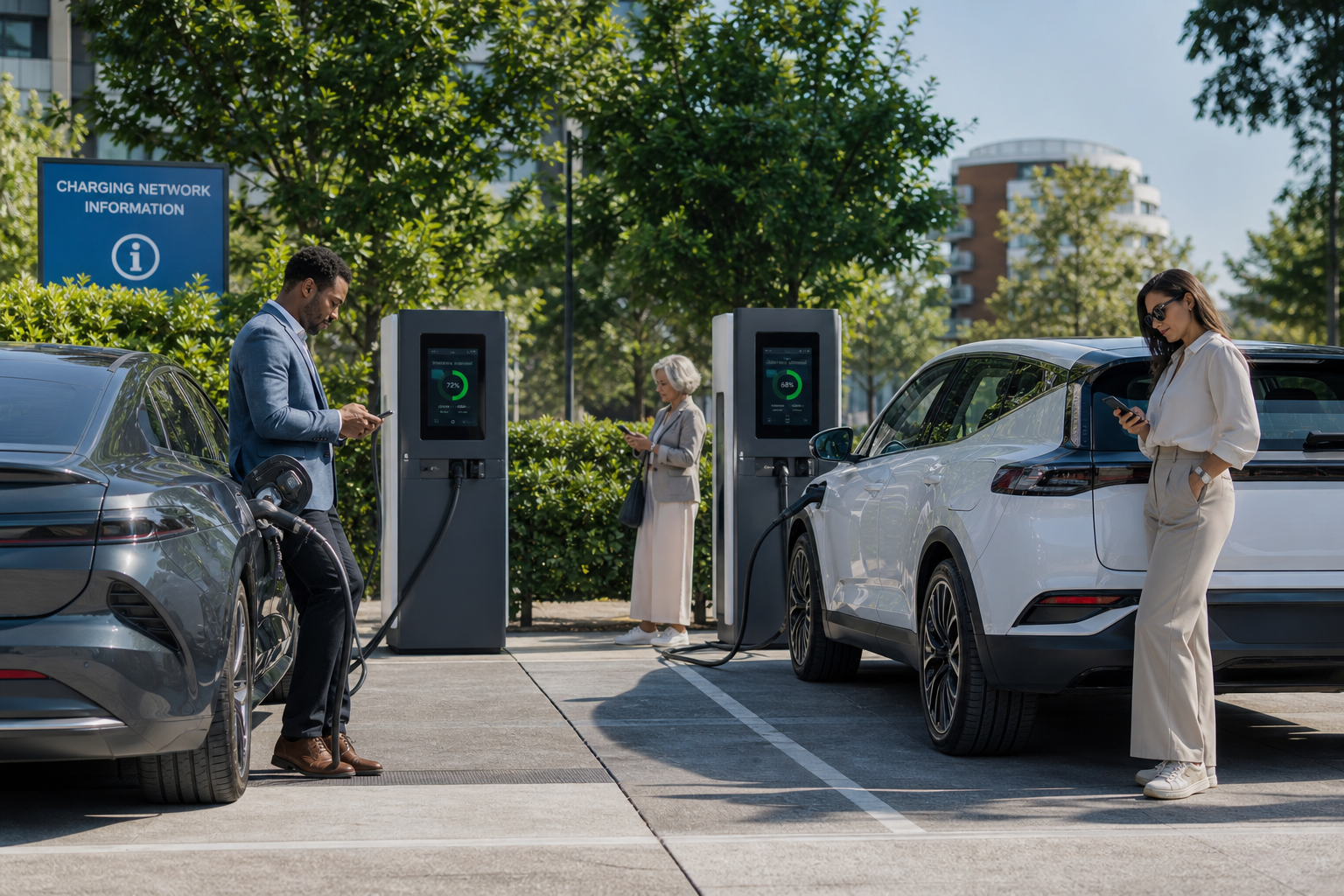





Managing an electric fleet involves much more than keeping vehicles charged. Fleet managers need visibility of charging activity across depots, workplaces and public charging networks, while balancing costs, availability and operational efficiency.
This is why many organisations are investing in charge point management software. Rather than relying on separate systems, spreadsheets or multiple supplier portals, a charge point management platform brings charging operations together in one place, providing a clearer picture of fleet performance. Fuuse's platform is built to help customers build, operate and grow EV charging networks through data and insight.
What challenges do fleet operators face?
As fleets expand, organisations often encounter:
- Multiple charging locations
- Different charger manufacturers
- Increasing electricity costs
- Driver reimbursement
- Limited operational visibility
- Network uptime monitoring
Managing these separately can quickly become inefficient.
How does charge point management software help?
A modern platform gives fleet managers access to:
- Automated charging data
- Tariff management
- User management
- Energy usage reporting
- Live charger monitoring
- Remote diagnostics
- Network-wide reporting
Instead of managing individual charge points, fleet operators gain a complete operational view from one platform. Fuuse's Fleet 360 solution extends this by providing visibility across workplace, home and public charging in one system.
Why choose an open platform?
Future flexibility matters. Fleet charging requirements evolve as organisations grow, so selecting a charge point management platform that works across multiple hardware vendors helps avoid unnecessary complexity and protects future investment.
By combining data, automation and centralised management, charge point management software allows fleet operators to spend less time managing infrastructure and more time keeping vehicles on the road.